Wednesday, 10 May 2023

What Does Kona Mean | A Hawaiian Word With A Rich History

What Does Kona Mean?

Kona coffee is among the world’s most popular and highly sought-after coffee varieties. It is known for its smooth and rich flavor, distinct from other coffee types. But have you ever wondered what does Kona mean?

In this blog post, I will explore the meaning and significance of Kona, the origin of the name, and how it is linked to the world-famous Kona coffee.

What is the Origin of the Name Kona?

The word Kona exists in many languages around the world. Also, the translations are different for different languages. Even Hawaiian translations vary from source to source. By combining several translations from the Hawaiian language, I can relate the meaning of the name Kona to the famous Kona Coffee.

What Does Kona Mean In Hawaiian?

Kona in Hawaiian has several meanings depending on the context it is being used. Kona is a Hawaiian word that means “leeward” or “dry side” of an island. The term refers to the western coast of the Big Island of Hawaii, where the Kona District is located. The name is also used to describe the coffee grown in the region, known as Kona coffee.

Some resources suggest that Kona may have derived from the Hawaiian word “Kōnane,” a type of board game popular among the Hawaiian royals.

Cultural and Geographical Context of Kona

Geographical Context of Kona

Kona District (Locally addressed as ‘Kona’) is located on the western coast of the Big Island of Hawaii. It is known for its sunny and dry climate, making it an ideal place for coffee cultivation. The region covers a land area of approximately 60 miles and is home to numerous small towns and villages.

The geographical features of Kona are unique, with its volcanic soil, elevation, and microclimates that contribute to the distinct taste and aroma of Kona coffee. The volcanic soil is rich in minerals and nutrients, which provides the coffee plants with the necessary nutrients to grow and produce high-quality coffee beans.

Kona’s rich cultural significance, with its long history of Hawaiian traditions and customs, is reflected in its world-famous coffee. Kona coffee is more than just a product; it represents the region’s unique history, culture, and geography.

There are also two large national historical parks, Honaunau and Kaloko-Honokohau. There you can explore the area’s beautiful natural beauty and historic landmarks.

Kona as a Coffee-Growing Region
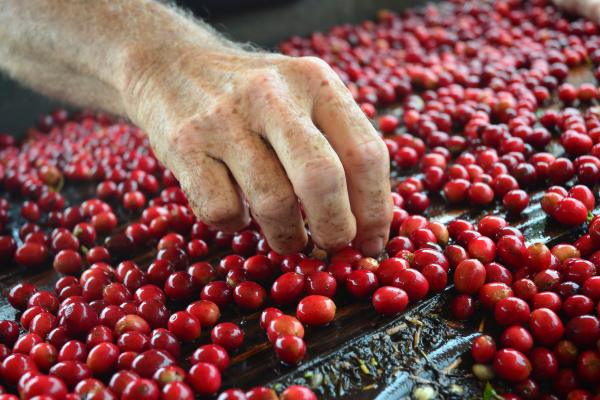
Kona as a Coffee-Growing Region

Kona is a small yet renowned coffee-growing region located on the western coast of the Big Island of Hawaii. The part covers an area of approximately 60 miles, and its coffee is known for its exceptional quality, flavor, and aroma.

Kona coffee is grown on small family farms that dot the region, and the coffee trees thrive in the region’s unique microclimate. The coffee plants are grown on the slopes of the Mauna Loa volcano, where the soil is rich in minerals and nutrients. The volcanic soil, combined with the region’s elevation, contributes to the unique flavor profile of Kona coffee.

The climate in Kona is also ideal for coffee cultivation. The region enjoys sunny days and cool ocean breezes that help regulate the temperature and humidity levels. The weather conditions create a perfect environment for the coffee plants to grow and produce high-quality coffee beans.

The unique flavor profile of Kona coffee is influenced by the region’s volcanic soil, elevation, microclimate, and the specific variety of coffee plants grown in the area. The flavor of Kona coffee is characterized by its smooth, rich, and slightly sweet taste, with a hint of fruitiness and chocolate notes.

Related:Where is Kona Coffee Grown

The Meaning of Kona in the Coffee Industry

The name Kona is now synonymous with premium coffee. Kona coffee is regarded as one of the most expensive and prestigious coffee varieties in the world, and coffee connoisseurs and enthusiasts alike seek after it. The name Kona has become a brand representing the quality and authenticity of coffee from the Kona region.

The name Kona has become a brand representing the quality and authenticity of coffee from the Kona region. It is recognized as a brand representing the unique flavor profile and authenticity of coffee from the Kona region. Kona coffee is widely regarded as one of the world’s most expensive and prestigious coffee varieties, and coffee connoisseurs and enthusiasts highly seek it.

The name Kona has become a symbol of excellence and quality in the coffee industry. The unique taste and aroma of Kona coffee and its sustainable production practices have made it one of the world’s most sought-after and prestigious coffee varieties.

Related:How Is Kona Coffee Made

Conclusion

In conclusion, Kona has a rich history and cultural significance, and the name holds a special meaning. From the Hawaiian word for “leeward” or “dry side” to its association with the world-famous Kona coffee, the name Kona is an essential part of Hawaiian culture and heritage.

From its origin and etymology to its historical significance and cultural context, Kona is more than just a name – it is a symbol of excellence and quality.

FAQs

Does Kona Mean Coffee?

No, coffee means Kope in Hawaiian. Kona is the region where coffee is grown and produced. Kona coffee comes only from the Kona region on the Big Island of Hawaii.

Does Kona Mean Lady In Hawaiian?

Yes, in the proper context, Kona also means lady in Hawaiian. It’s a name that can be used for both girls and boys and is very popular in Hawaii.

What is Kona known for?

In addition to the great coffee plantations worth visiting, the Kona area is also known for tourism and deep-sea fishing.


from
https://www.coffeeadoro.com/what-does-kona-mean/


from
https://coffeeadoro.weebly.com/blog/what-does-kona-mean-a-hawaiian-word-with-a-rich-history

Affogato Recipe | How to Make Coffee with Ice Cream

Affogato Recipe

Affogato is a classic Italian dessert that combines hot espresso coffee with ice cream ice cream. It is a simple and easy to make dessert that is perfect for any occasion.

In this article, you will learn how to make a delicious Affogato in just a few minutes. With just a few simple ingredients, you can create an amazing dessert that everyone will love.

How to Make Affogato

Here’s what you’ll need.

Ingredients:

  • 3 tablespoons espresso coffee
  • 2 balls of cream ice cream
  • 1 tablespoon toasted hazelnuts
  • Chocolate shavings

Instructions:

  1. Place the ice cream balls in a cup or bowl.
  2. Pour the espresso coffee over the ice cream.
  3. Add the toasted hazelnuts and chocolate zest on top.
  4. Serve immediately and enjoy!

History of Affogato

Affogato is an Italian dessert consisting of a ball of vanilla ice cream drowned in a hot espresso. The word “affogato” means “drowned” in Italian, and the dessert takes its name because the ice cream is drowned in the coffee.

The history of Affogato is somewhat uncertain, but the dessert is believed to have been created in Italy, possibly in Naples or in the Lombardy region of northern Italy.

The dessert is believed to have been created in the early 1900s, but its popularity didn’t really take off until the 1950s.

The dessert began to gain popularity in Italy and soon spread to other European countries. It was during this period that dessert began to be served in fine restaurants and in more sophisticated coffee shops.

The dessert was much appreciated for its simplicity and the way it combined the strong flavor of espresso with the sweetness of ice cream.

In the 2000s, Affogato became popular around the world and began appearing on menus in restaurants and coffee shops around the world.

Affogato’s success can be attributed to its versatility and its ability to be customized in a variety of ways.

People began experimenting with different flavors of ice cream, including chocolate, caramel, and strawberry, and many restaurants and coffee shops began adding flavor syrups to espresso to create new variations of Affogato.

Affogato al Caffè

Affogato al Caffè

One of the most popular variations of Affogato is Affogato al Caffè, which is a more sophisticated version of the dessert.

Instead of vanilla ice cream, Affogato al Caffè uses mascarpone ice cream, which is a type of creamy ice cream made with mascarpone cheese.

This version is usually served with a double dose of espresso and is a popular dish in high-quality Italian restaurants.

Affogato Martini

Another popular variation of Affogato is Affogato Martini, which is an alcoholic beverage that combines vanilla ice cream, espresso and vodka.

This drink is served in a martini glass and is a popular option for those looking for a dessert with a touch of alcohol.

In general, Affogato is a delicious and simple dessert that combines the strong flavors of espresso with the sweetness of ice cream.

Although the dessert is relatively simple, its popularity can be attributed to its ability to be customized and adapted in a number of different ways.

If you are a coffee or dessert lover, you should certainly try Affogato at some point.

Related post > Caramel Macchiato Recipe


from
https://www.coffeeadoro.com/affogato-recipe/


from
https://coffeeadoro.weebly.com/blog/affogato-recipe-how-to-make-coffee-with-ice-cream

Tuesday, 9 May 2023

Caramel Macchiato Recipe | Make This Delicious Drink at Home

Caramel Macchiato Recipe

If you’re a coffee lover and a fan of Starbucks’ iconic drink, Caramel Macchiato, you’ll love this recipe. With few ingredients, it is possible to prepare the delicious and elegant drink at home, without having to leave the house or spend lots of money.

In this article, we will share with you the complete recipe of Caramel Macchiato, including all the ingredients, the correct measurements and the step by step instructions to create the perfect drink. Also, let’s talk a little bit about the history of Caramel Macchiato and how it became so popular around the world.

So if you’re looking for an easy and delicious way to enjoy your favorite Starbucks drink at home, keep reading and find out how to make the perfect Caramel Macchiato!

Recipe for a Caramel Macchiato

Here’s what you’ll need

Ingredients:

  • 1 cup whole milk
  • 1 tablespoon caramel syrup
  • 1/2 cup strong coffee
  • whipped cream
  • 1 tablespoon caramel syrup

How to prepare:

  1. Heat the milk in a saucepan over low heat. Do not bring to a boil, just heat until it is hot.
  2. While the milk heats up, place the caramel syrup at the bottom of the cup you will use to serve the coffee.
  3. Make the coffee strong and place it over the caramel syrup.
  4. Add the heated milk to the cup, pouring slowly so that it mixes with the coffee and caramel syrup.
  5. Top with whipped cream and, if desired, add more caramel syrup on top.
  6. This recipe yields a portion of a Caramel Macchiato. Hope you enjoy!

History of Caramel Macchiato

Caramel Macchiato is a coffee drink that has become one of Starbucks’ most popular products and is widely consumed around the world. This iconic drink is known for its sleek look and distinct layers of espresso, steamed milk and caramel syrup. But what’s the story behind this delicious drink? Let’s find out.

Origins of Caramel Macchiato

Caramel Macchiato has its roots in the United States, where it was created in the 90s. It is a variation of the traditional café macchiato, which consists of an espresso with a little steamed milk added. Starbucks is believed to have been the first company to popularize Caramel Macchiato, launching the drink in 1996.

However, coffee macchiato has a longer history.

The term “macchiato” comes from the Italian word “macchiare,” which means to stain or mark. Traditional macchiato coffee is an espresso with a little steamed milk added, which stains or marks the espresso. This type of coffee is popular in Italy and other European countries, and is usually served as a small, strong beverage.

Starbucks adapted this beverage to the tastes of American consumers, adding more milk and sweetening it with caramel syrup. Over time, Caramel Macchiato has become one of the brand’s most popular beverages and is widely consumed around the world.

Caramel Macchiato’s Rise to Fame

Caramel Macchiatos Rise to Fame

The success of Caramel Macchiato can be attributed to the popularity of latte and caramel as flavors, as well as consumers’ desire for elegant, photogenic beverages. The drink is known for its elegant appearance and distinct layers of espresso, steamed milk and caramel syrup. It is usually served in a tall glass and is garnished with whipped cream and more caramel syrup on top.

In addition, Caramel Macchiato is highly customizable, allowing customers to choose the amount of espresso and milk they want. This allows consumers to customize their drink according to their individual preferences, making it even more popular.

Caramel Macchiato became so popular that Starbucks released several variations, such as Iced Caramel Macchiato and Caramel Macchiato Frappuccino. In addition, the drink inspired other coffee companies to create their own versions, which further increased its popularity.

Curiosities about Caramel Macchiato

The name “macchiato” is often misinterpreted as an English word and pronounced “ma-kay-toh”. In fact, the correct pronunciation is “ma-kee-ah-toh”.

In some countries, such as Australia and New Zealand, Caramel Macchiato is known as “Caramel Latte Macchiato”.
Starbucks also offers a vegan version of Caramel Macchiato, using soy milk or almond milk

Another interesting curiosity is that, despite being a popular drink around the world, the form of preparation and ingredients of Caramel Macchiato can vary according to the country or region. In some places, for example, caramel syrup is replaced with honey or vanilla syrup.

Despite the variations, Caramel Macchiato remains one of Starbucks’ most popular beverages and is enjoyed by millions of people around the world. In addition, the drink has become a cultural icon and inspired memes, T-shirts and even home décor accessories.

Conclusion

Caramel Macchiato is a popular and iconic coffee drink that has its roots in the United States. Created in the 90s, Caramel Macchiato is a variation of traditional macchiato coffee and is known for its distinctive layers of espresso, steamed milk and caramel syrup.

The success of Caramel Macchiato can be attributed to its sleek appearance, personalization, and consumers’ desire for photogenic beverages. In addition, the drink inspired several variations and became a cultural icon.


from
https://www.coffeeadoro.com/caramel-macchiato-recipe/


from
https://coffeeadoro.weebly.com/blog/caramel-macchiato-recipe-make-this-delicious-drink-at-home

Friday, 5 May 2023

Why Is Kona Coffee So Expensive | Factors of Kona Coffees Price

Kona Coffee is a unique and sought-after coffee variety that grows on the volcanic slopes of Hualalai and Mauna Loa on the Big Island of Hawaii. Coffee enthusiasts worldwide praise this coffee for its full-bodied flavor and amazing aroma. 

However, Kona coffee comes with a hefty price tag, which raises the question: why is Kona Coffee so expensive? Let’s dive into it in detail.

Why is Kona Coffee so Expensive?

Cost of Labor

One of the main reasons for Kona Coffee’s high cost is the cost of labor. Kona coffee is handpicked by farmers almost all year round, with only the red cherry being picked.

This means that the same coffee tree needs to be picked multiple times during picking season, which is a time-consuming process that requires skilled labor. 

Handpicking requires a substantial labor force and time, thereby increasing the production costs of Kona Coffee.

kona coffee hand picking

The Rarity of Kona Coffee Beans

Kona coffee beans are rare due to their specific growing conditions. They are cultivated only on the Big Island of Hawaii, which stretches only 30 miles. 

These coffee beans are grown in the North and South Kona districts on the slopes of Mauna Loa, one of Hawaii’s five major volcanoes.

This region has rich volcanic soil, with the perfect balance of sun, rainfall and altitude, creating ideal conditions for growing high-quality coffee beans.

Kona coffee beans are hand-picked rather than machine-picked to ensure that only the ripest berries are picked. This makes the harvesting process more labor intensive and increases the overall cost.

The Kona coffee industry is heavily regulated with strict guidelines and certification requirements ensuring a consistent, high quality product.

Due to these specific growing conditions, Kona coffee beans make up less than 1% of the world’s total coffee production, making it a rare and sought-after coffee variety.

The limited supply and high demand for Kona coffee beans results in a higher price compared to other coffee varieties.

Kona coffee beans are considered rare due to their unique growing conditions on the Big Island of Hawaii, as well as the labor-intensive harvesting process and stringent quality control measures.

These factors contribute to the limited availability and high price of this unique coffee variety, consequently increasing its reputation as a prized and luxurious product for coffee enthusiasts around the world.

Related: How is Kona Coffee Grown?

Threats to Kona Coffee Crops

Coffee Pests

Threats to Kona coffee crops, such as pests, diseases, and unpredictable weather, can significantly impact the yield. A notable example is the Coffee Berry Borer, (CBB), a small beetle that feeds on coffee berries and damages the beans inside.

CBB has caused severe damage to Kona coffee crops in recent years, leading to reduced productivity and increased production costs.

Invasive species such as the black stick borer and fire ants can also damage coffee plantations by feeding on the plant or by affecting the ecosystem as a whole.

Another threat to Kona’s coffee crops is the root-knot nematode, a type of parasitic roundworm that lives in the soil and attacks the roots of coffee plants. Infected plants suffer from reduced growth, and their productivity and quality are compromised.

Coffee Specific Diseases

Diseases such as coffee leaf rust and cherry blight are also significant threats to Kona coffee crops. Coffee leaf rust is a fungal disease that affects coffee leaves, causing them to drop prematurely and reducing the amount of energy available for the plant to produce beans.

Coffee cherry disease is caused by a bacteria that infects cherries, often leading to rot and making them unfit for consumption.

Weather Patterns

Unpredictable weather conditions, such as prolonged droughts, heavy rains or hurricanes, can also negatively affect Kona’s coffee crops. Climate change has brought about unusual weather patterns, making it harder for farmers to anticipate and adapt to these changes.

Labor Shortages

Kona coffee farms often face challenges in maintaining an adequate workforce for coffee production. Labor shortages due to lack of interest in agricultural work or competition from other industries can lead to understaffed coffee farms and reduced productivity.

To mitigate these threats, Kona coffee farmers can employ a variety of strategies, including integrated pest management, crop diversification, and investments in research and development.

They can also work collaboratively with government agencies, industry organizations and research institutions to develop new technologies and best practices that will help maintain the quality and sustainability of Kona coffee production.

Kona Coffee Production and Shipping Costs

Hawaii is an island, meaning almost everything arrives by ocean-going barge. Shipping costs are expensive, which makes the product expensive.

Equipment includes machinery, bags, tools, fertilizers, and more. Hawaii must import most of the equipment to produce more expensive coffee than other coffee-producing regions.

Hawaii’s Remote Location

Hawaii is a chain of isolated islands located about 2,500 miles from the nearest land mass. As a result, shipping costs to and from Hawaii are higher than most other regions.

Ocean Freight

Most merchandise, including Kona Coffee, ships via ocean freight. While this method is generally more cost-effective than air freight, it is still expensive, particularly for small batches of goods like Kona coffee.

Packaging and handling

Shipping delicate items such as roasted coffee beans requires special packaging to prevent damage and ensure freshness. This packaging adds to the overall shipping cost.

All of these factors combined are just a few of the reasons why Kona coffee production and shipping costs have increased, resulting in a more expensive product for consumers.

Supply and Demand Dynamics in Kona Coffee Market

Kona coffee is produced in a limited geographical region of Hawaii, and its production faces challenges such as pests, diseases, and weather fluctuations. These factors result in limited production and supply of Kona coffee beans. 

On the other hand, the global demand for Kona coffee is high, driven by its unique flavor and reputation as a luxury product. The imbalance between limited supply and high demand increases Kona coffee prices.

Kona Coffee Grades and How it Affects Pricing?

Kona coffee is categorized into grades based on bean size, shape, and defects. 

The primary grades of Kona Coffee are:

  • Kona Extra Fancy
  • Kona Fancy
  • Kona Number 1
  • Kona Select
  • Kona Prime 

Kona Extra Fancy, the highest grade, consists of the largest and most flawless beans and commands the highest price. 

Lower grades, like Kona Prime, are more affordable but may provide a different depth of flavor.

This grading system directly impacts the price of Kona coffee. Higher-grade beans are priced significantly higher due to their superior quality, fewer defects, and the fact that they are less common. 

steaming kona coffee and beans

Related: How is Kona Coffee made?

Buying Authentic Kona Coffee

How to Identify and Buy Authentic Kona Coffee?

Identifying and buying authentic Kona coffee involves several key steps:

  1. Look for the “100% Kona Coffee” label to guarantee that the coffee is made entirely from Kona beans, not a blend. Sometimes marked as “Kona Blend,” blends may only contain 10% Kona coffee beans.
  2. Check for a certification from the Hawaii Department of Agriculture, which regulates the quality and authenticity of Kona coffee.
  3. Consider the grade of the coffee. Higher grades like Kona Extra Fancy or Kona Fancy denote superior quality.
  4. Purchase from reputable sources or Kona coffee farms to ensure authenticity.

FAQs

What Is So Special About Kona Coffee?

Kona coffee is special due to its unique growing conditions, rarity, and distinct flavor profile. 

Is Kona Coffee The Most Expensive?

While Kona coffee is one of the more expensive coffees in the world, it is not the most expensive. Some rare and highly sought-after coffees, such as Kopi Luwak or Hacienda La Esmeralda Geisha, can be even more costly.

However, Kona coffee falls under the premium coffee category due to its distinct flavor and limited availability.

What Does 100% Kona Coffee Taste Like?

100% Kona coffee has a smooth, rich flavor profile characterized by its mild acidity and subtle sweetness. It often features notes of milk chocolate, caramel, and a hint of tropical fruit.

The taste can vary slightly depending on the specific farm, elevation, and processing methods used, but overall, Kona coffee is known for its well-balanced and delicate flavors.


from
https://www.coffeeadoro.com/why-is-kona-coffee-so-expensive/


from
https://coffeeadoro.weebly.com/blog/why-is-kona-coffee-so-expensive-factors-of-kona-coffees-price

Tuesday, 2 May 2023

What Does Kona Coffee Taste Like | Is It As Delicious as They Say?

Hawaiian Kona coffee is famous worldwide for its unique taste and pleasant aroma. But what does Kona coffee taste like? In this article, we’ll explore the unique flavor profile of Kona coffee for you to enjoy.

Kona coffee is grown in the volcanic soil of big islands in Hawaii at high altitudes of 4,000 to 5,000 feet above sea level. The Kona trees grow in the abundance of rain along with the cool breezes from the nearby mountains.

This combination gives them an earthy and slightly fruity flavor depending on how they are roasted.

Let’s discuss the different roasts, brewing techniques, flavor notes, and everything you want to know about this rich, delicious Hawaiian coffee.

What Does Kona Coffee Taste Like

Traditional Kona coffee has a delicate, sweet, and fruity flavor profile with syrupy, spicy, and nutty notes. It tastes like a coffee that combines brown sugar, milk chocolate, and honey with a hint of fruit—however, the darker the roast, the less sweet and fruity and the more intense the flavor.

Kona coffee also has a more robust flavor than other coffee varieties because it’s grown at higher elevations without the rain that washes away some of the flavors like on lowland farms elsewhere—meaning its distinctive sweetness is more intense.

Light and delicate yet rich and complex, Hawaiian Kona coffee brings a world of delicious flavors to your taste buds. It’s slightly syrupy and medium-bodied, with flavors reminiscent of brown sugar, milk chocolate, caramel, and honey.

Kona coffees also have a slightly fruity flavor, ranging from lightly floral to berry and citrus, depending on the roast and blend. It has a rich, savory aroma that is complex but not overpowering and slightly nutty.

Exploring Flavor Notes in Kona Coffee

Here are some of the most distinct flavor notes of Kona coffee;

  • Chocolate: Kona coffee can exhibit a range of chocolate notes, from a dark, semi-sweet chocolate hint to a lighter, sweeter milk chocolate taste.
  • Caramel: The flavor profile of Kona coffee includes a sweet note reminiscent of caramelized sugar, genuine maple syrup, or molasses.
  • Bright: Kona coffee features a bright, tangy flavor that invigorates the taste buds.
  • Floral: Some roasts of Kona coffee have a fresh floral scent that’s light and fragrant.
  • Citrus: Kona coffee can carry a citrusy flavor reminiscent of grapefruit or orange.
  • Fruit: Depending on the specific roast and processing, the fruity flavor in Kona coffee can range from light, sweet notes to a deeper, more subtle aroma.
  • Wine: Certain roasts of Kona coffee may have a tangy, acidic flavor reminiscent of wine.
  • Nuts: After sipping Kona coffee, the taste left on your tongue can be compared to fresh hazelnuts or raw almonds.

What Influences the Taste of Kona Coffee and Makes it Special?

Location and Climate

The distinctive flavor of Kona coffee is significantly influenced by its unique growing conditions. It is exclusively grown in the Kona district of the Big Island of Hawaii, which has a tropical climate ideal for coffee cultivation.

Altitude

Kona coffee is grown at altitudes ranging from 800 to 2,500 feet, contributing to its flavor profile. Temperature variations at these altitudes, combined with abundant rainfall and shelter from the wind, provide perfect conditions for the slow growth of the coffee beans, resulting in a richer, more complex flavor.

Soil Conditions

Volcanic soil available in the Kona district is well-drained and rich in minerals, enhancing the coffee beans’ taste. The coffee grown in volcanic soils tends to have a distinct minerality and a rich, full-bodied taste.

Learn more: Where is Kona Coffee Grown

Harvesting and Processing

Kona coffee is handpicked, ensuring that only ripe cherries are harvested, contributing to its superior quality. After picking, the cherries undergo a wet-processing method, including pulping, fermenting, and drying.

Image of Kona coffee harvesting

Roasting Process

Kona coffee typically has a light, fruity flavor. However, medium and dark roast levels bring out the best flavors of Kona coffee, especially caramel, woody, and chocolate-like sweetness.

How Roasting Levels Affect the Kona Coffee Taste?

The roast level directly impacts the taste of the coffee beans. Here’s how different roasting levels affect Kona coffee:

Light Roast

Light-roasted Kona coffee tends to have a milder, more acidic flavor and often retains more of the original coffee’s characteristics. Lightly roasted coffee beans highlight the coffee’s floral and fruity notes.

Medium Roast

Medium roasts are most common for Kona coffee as they provide a good balance between acidity and body. The medium roasting brings out the coffee’s unique chocolate and caramel notes while maintaining some of its fruity characteristics. 

Dark Roast

Dark-roasted Kona coffee has a robust, full-bodied flavor with less acidity. The roasting process can sometimes overshadow the original taste of the beans, but it can also bring out spicy or smoky notes. Those who prefer strong, more decadent coffee often favor dark roasts. 

The unique taste of Kona coffee is shaped by a combination of factors, including its exclusive geographic location, optimal climate conditions, meticulous harvesting, and processing methods, and the roasting process.

Image of Kona coffee roasting levels

Learn more: How Is Kona Coffee Made?

The Taste of Kona Coffee: Rich, Delicious and Unique

Hawaii is a dreamy tropical paradise and the only place where Kona coffee beans are grown. Its unique geographical superiority makes the Kona coffee taste sweet, bright, and incredibly delicious.

With aromas of chocolate, fruit, hazelnut, and caramel, Kona coffee is one of the tastiest coffees in the world. It also has a rich, nutty, and slightly earthy aftertaste, giving it a unique flavor profile, unlike any other coffee.

Kona coffee taste

FAQs

Does Kona Coffee Have More Caffeine?

Like other Arabica varieties, Kona coffee typically contains less caffeine than Robusta coffee. However, the caffeine content can vary based on factors such as the roast level and brewing method.

Is Kona coffee bitter?

While bitterness can be a characteristic of coffee, Kona coffee is generally known for its smooth, low-acidity profile. The careful processing and medium roasting typically used for Kona coffee help to minimize bitterness.

Is Kona coffee strong?

The strength of Kona coffee can vary depending on the roast level and brewing method used.

Does Kona coffee taste good?

Yes. Though the preferable taste of coffee can vary for each person, Kona coffee has a reputation for being one of the best coffee available. It is highly regarded for its unique flavor notes, including hints of chocolate, caramel, citrus, and nuts, and is often described as having a smooth, clean taste.

Is Kona coffee better than Arabica?

Kona coffee is a type of Arabica coffee grown explicitly in the Kona district of Hawaii. While “better” is subjective, Kona coffee is prized for its unique flavor profile and the specific growing conditions that contribute to its taste.

Why is Kona coffee so good?

The exceptional Kona coffee flavor can be attributed to several factors, including Hawaii’s distinct altitude and volcanic soil, harvesting techniques, and roasting methods. 


from
https://www.coffeeadoro.com/what-does-kona-coffee-taste-like/?utm_source=rss&utm_medium=rss&utm_campaign=what-does-kona-coffee-taste-like


from
https://coffeeadoro.weebly.com/blog/what-does-kona-coffee-taste-like-is-it-as-delicious-as-they-say

Does Kona Coffee Have More Caffeine: The Caffeinated Truth

Hello, coffee lovers and aficionados! Today, we’re looking at a question that many coffee drinkers have wondered: Does Kona coffee have m...